< Capabilities / Counter-UAS & Operator Location >
Find the operator, not just the drone.
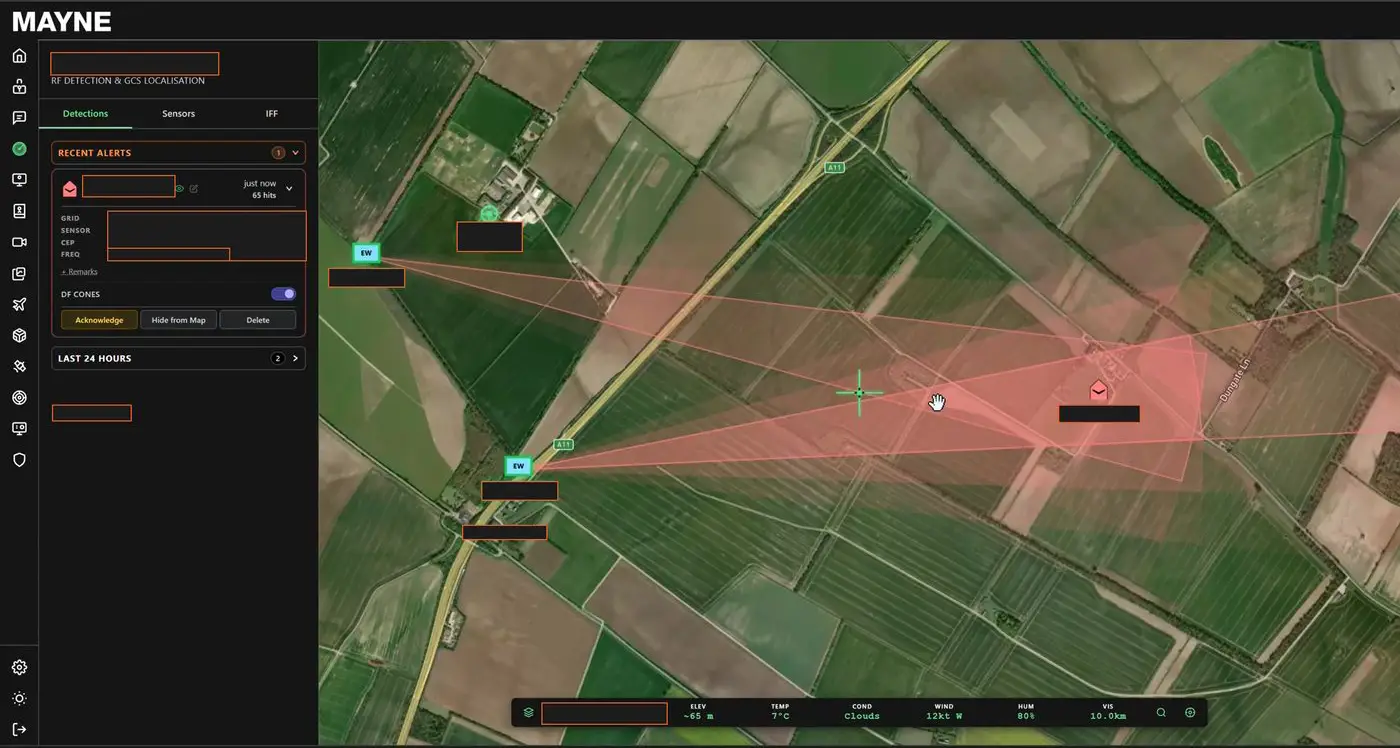
Passive counter-UAS capability that turns detection into intelligence. We detect, classify and track hostile drones, then locate the control node directing them, with no emissions, no jamming and no authority required to switch it on. Fused into one operating picture in MAYNE.
< 01 / The problem >
Stopping one drone does not stop the next one.
Most counter-UAS systems tell you an aircraft is there. Some will bring it down. Neither tells you who sent it, from where, or whether they will be back tomorrow with a different airframe.
The drone is replaceable. The operator is the threat, and is usually closer than you'd expect.

< 02 / What it does >
Detect. Identify. Track. Respond.
A full cycle, from first detection through to a cued response, without emitting anything.
Detect
01
Locates the operator
Passive radio frequency detection and geolocation of the ground control station. We fix the control node, not only the airframe, which turns an incursion into something you can act on rather than something you record.
Identify
02
Sees what conventional scanning misses
Detects command links that fall outside the patterns most counter-UAS systems watch for, including drones commanded over commercial networks rather than conventional control frequencies.
Track
03
Resolves swarms
Coordinated launches are traced back to the controlling station or stations. Multiple aircraft, one or more operators, one picture, rather than a dozen simultaneous tracks.
Respond
04
One picture, not four systems
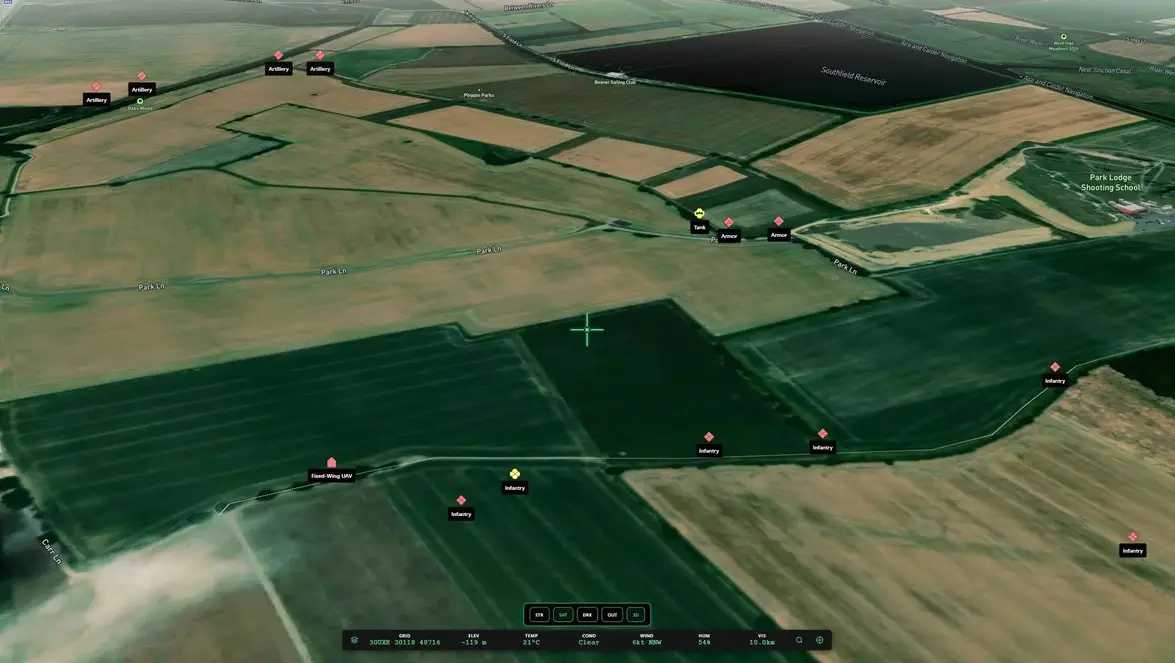
RF detections fuse with electro-optical, infrared, radar and whatever else you already run, into a single counter-UAS operating picture in MAYNE. Vendor agnostic and open.
< 03 / Why passive matters >
It listens. That changes where you can use it.
Active counter-UAS announces itself. It emits, which makes it findable, and jamming needs authority that most sites will never hold. Listen-only sensing has none of those constraints: it can run covertly, it can be deployed at civil sites as readily as military ones, and it sits underneath a layered counter-UAS posture without interfering with anything else in it.
Active systems
Listen-only systems
−
Emit, and can be located by what they emit
+
No emissions, nothing to detect
−
Jamming requires authority most sites do not hold
+
No authority required to operate
−
Adds to spectrum congestion
+
Adds nothing to the spectrum
−
Announces that a site is defended
+
Covert monitoring stays covert
< 04 / Sensors & technology >
Fixed site or on the move.
Counter-UAS runs on the same two platforms as everything else StirlingX does, which is why a new sensor type does not mean a new system.
< Connectivity >
LEWES
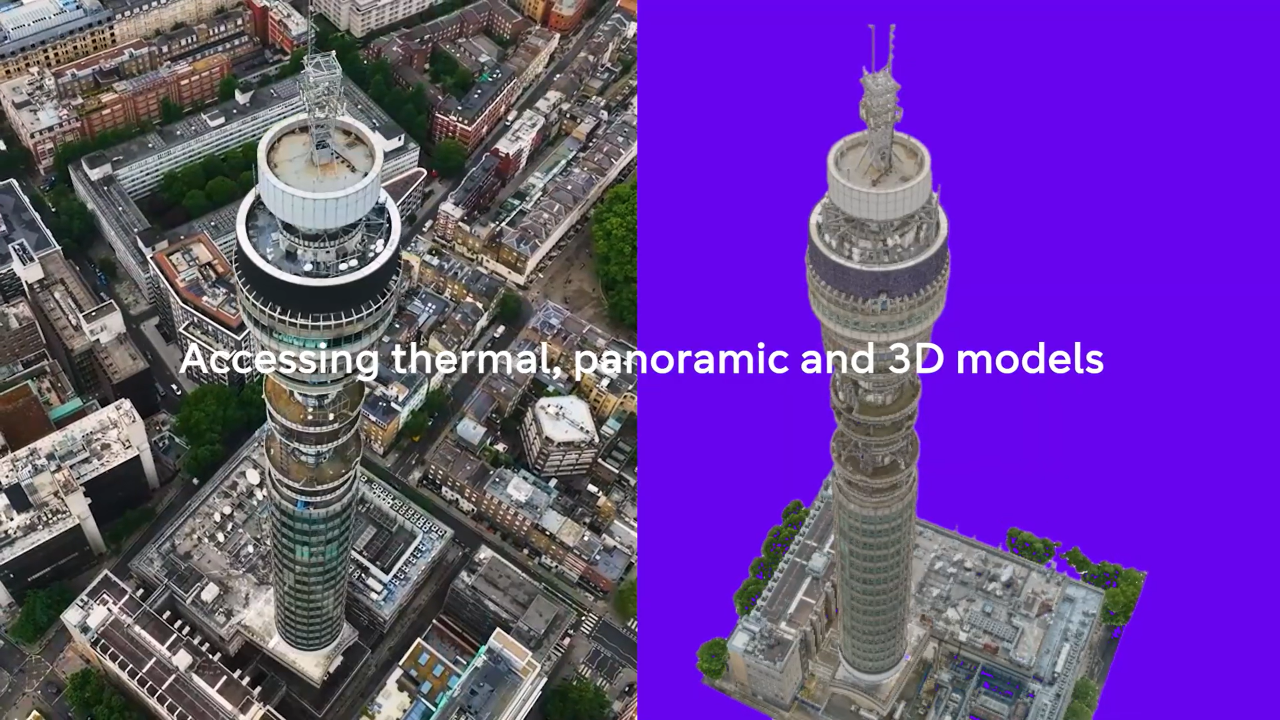
Deployed as fixed-site infrastructure, or carried on a platform through LEWES, which connects sensors and nodes into one system and keeps data moving in contested and spectrum-congested conditions.
< Picture and record >
MAYNE
Detections become tracks, tracks become a picture, and the picture becomes a record you can search afterwards. Secure by design, from edge to cloud.
< 05 / How it works >
From bearing to response.
Five steps, running continuously. Two of them are where LEWES and MAYNE do the work a conventional counter-UAS system leaves to your operators.
Plan
Sensor placement and coverage agreed against the site, the threat picture and whatever's already deployed.
Detect
Passive sensors take continuous bearings on control-link traffic, fixed or on the move, with no emissions of their own.
Localise
Bearings from multiple sensors converge on the control node. Data keeps moving even in contested or spectrum-congested conditions.
Fuse
RF detections fuse with EO/IR, radar and existing systems into one operating picture, geolocated against the site.
Respond
A cued response, tasked against a fixed address rather than a moving track. The decision and the effector stay with you.
< Case Studies >
What we've accomplished. Real services from real projects.

.png)
Five things people ask first.
Need more information? Reach out to discuss your specific situation.

Do you jam or bring drones down?
Do we have to replace our existing sensors?
Does it need any regulatory permission to operate?
Can it work in a congested or contested spectrum?
What do we get afterwards?
See who's flying over your site.
Tell us what you're protecting. We'll show you what's already flying over it, and who's flying it.