
Understanding the capability, not just the aircraft
When discussing counter-uncrewed aircraft systems (C-UAS), the conversation frequently begins with individual technologies. Which radar should be used to detect a drone? How can radio-frequency emissions be intercepted and classified? Which jammer or kinetic interceptor offers the most effective means of neutralising a threat? These are all legitimate technical questions, but they risk overlooking a more fundamental consideration: an uncrewed aircraft system is not simply an aircraft, and counter-UAS should not be considered solely in terms of the technologies used to detect or defeat one.
A UAS comprises the air vehicle, its ground control infrastructure, communication systems, operators and the logistical support required to sustain its operation. More importantly, these systems exist to deliver an operational capability. Understanding that capability, rather than concentrating exclusively on the aircraft itself, is essential to developing an effective counter-UAS approach.
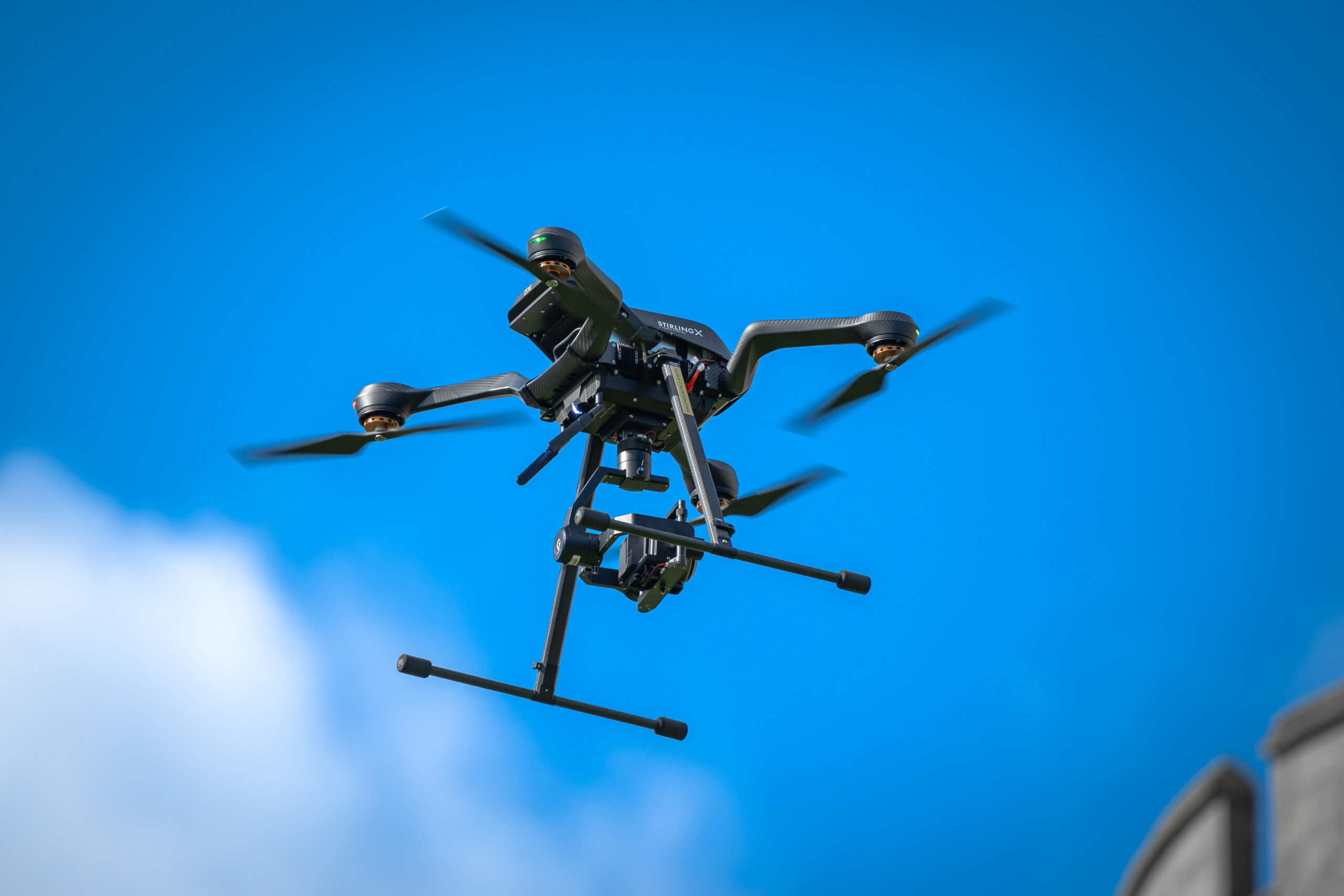
Uncrewed aircraft systems encompass an enormous range of technologies, costs and operational applications. At one end of the spectrum, inexpensive commercial drones provide capabilities that would previously have required considerably more sophisticated equipment. The introduction of systems such as the Black Hornet into British military service demonstrated how small uncrewed aircraft could extend an infantry section's ability to observe its surroundings, effectively augmenting the traditional role of binoculars and other tactical reconnaissance equipment.
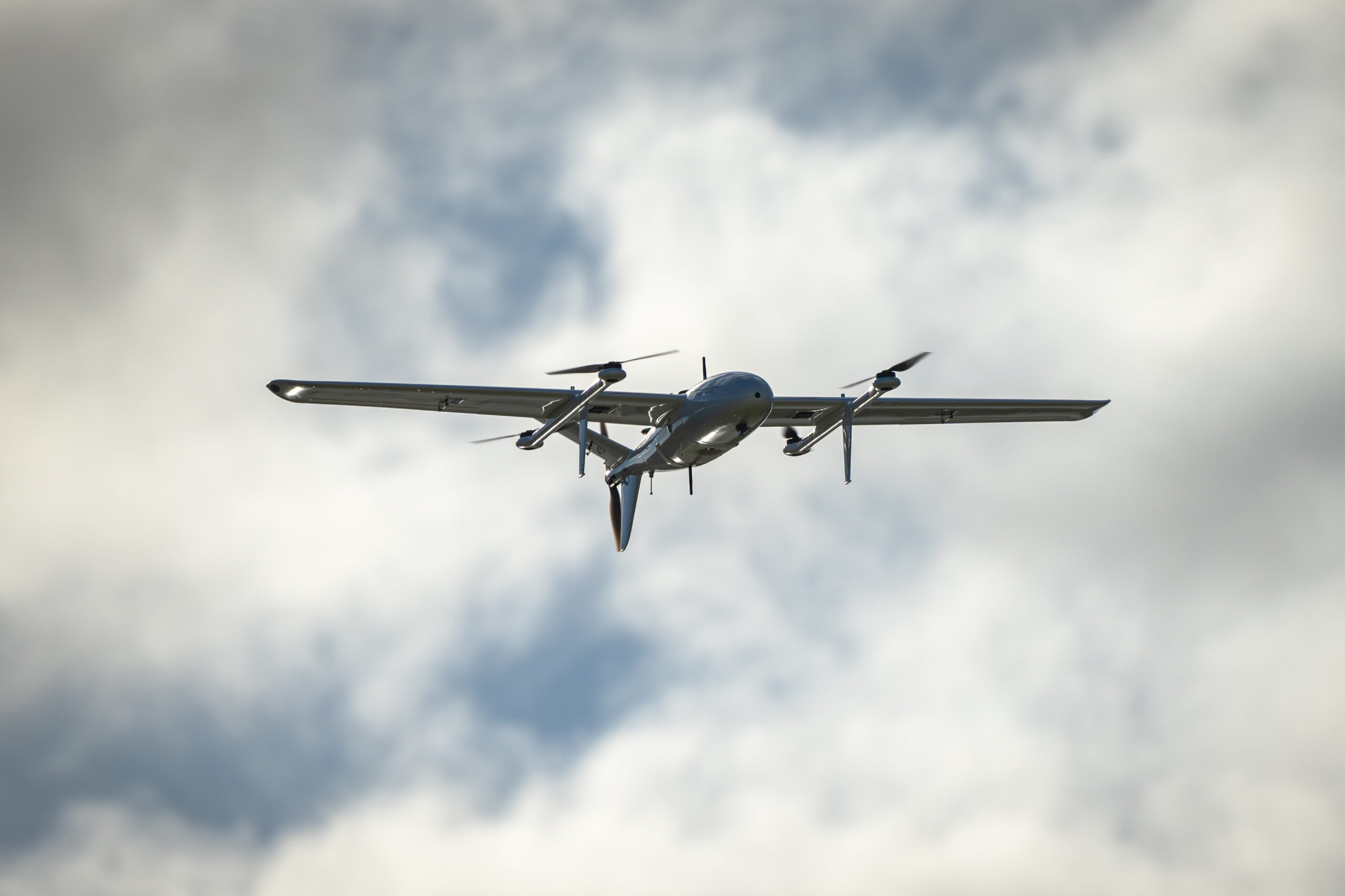
As these systems have developed, their applications have extended beyond intelligence, surveillance and reconnaissance (ISR). Small first-person-view (FPV) drones carrying munitions can fulfil roles traditionally associated with short-range infantry weapons, while larger loitering munitions can provide capabilities analogous to anti-tank guided missiles. At the other end of the spectrum, long-range one-way attack systems such as the Shahed family provide an alternative means of delivering effects traditionally associated with cruise missiles, often at a considerably lower unit cost.
Although the technologies differ substantially, the underlying principle remains consistent: UAS augment, extend or replace existing operational capabilities, offering potential advantages in reach, persistence, precision, accessibility and cost.
This distinction is important because the operational challenge presented by a UAS is determined not simply by its physical characteristics, but by the effect it is intended to achieve. Countering a small reconnaissance quadcopter observing an infantry position presents a fundamentally different problem from protecting critical national infrastructure against a long-range one-way attack aircraft. While both threats involve uncrewed aircraft, the capabilities being countered, the assets being protected and the resulting operational requirements are markedly different.
Effective counter-UAS must therefore begin with an understanding of the threat and the operational effect that must be prevented, rather than with the selection of a particular detection system or effector.
The limitations of technology-centric counter-UAS
The counter-UAS market contains a wide range of sophisticated sensing and effector technologies. Radar systems, passive radio-frequency receivers, electro-optical and infrared sensors, acoustic arrays and electronic warfare systems each offer valuable but different means of detecting, identifying and tracking uncrewed aircraft. Similarly,non-kinetic effectors, interceptor drones and conventional air defence weapons provide different options for responding to a detected threat.
No single technology is equally effective against every type of UAS or across every operational environment. A low-cost passive RF sensor may be appropriate for detecting certain commercial drones, particularly where their communications protocols can be recognised and exploited. However, such a sensor may offer limited utility against an autonomous aircraft operating without an active command link. Conversely, high-performance radar systems may provide the detection range required to protect strategically important infrastructure, but may be economically or operationally inappropriate for every tactical deployment.
The same considerations apply to effectors. Employing a high-cost surface-to-air missile against an inexpensive commercial quadcopter may be technically effective but economically disproportionate. Against along-range attack system threatening a high-value asset, however, a more expensive interceptor may be entirely justified. The appropriate response depends upon the nature of the threat, the value of the asset being protected, the available engagement opportunities and the wider operational context.
This creates a significant challenge for organisations seeking to establish a counter-UAS capability. Individual sensors and effectors may perform exceptionally well within their respective domains, yet their effectiveness can be constrained if they cannot exchange information, operate cooperatively or contribute to a common understanding of the environment.
Consequently, the principal challenge is not necessarily thedevelopment of another specialised counter-UAS device. It is the ability tointegrate existing and emerging technologies into a coherent, adaptable andoperationally relevant system.
Counter-UAS should be treated as a systems integration and information exploitation challenge, not simply a sensor or effect or procurement exercise.
The StirlingX approach: connected autonomy and data analytics
At StirlingX, our approach to counter-UAS is founded on the capabilities we have developed in connected autonomy and data analytics. Rather than seeking to manufacture every component of an end-to-end counter-UAS system, we focus on providing the underlying technology that enables disparate sensors, platforms, decision-makers and effectors to operate as part of a coherent capability.
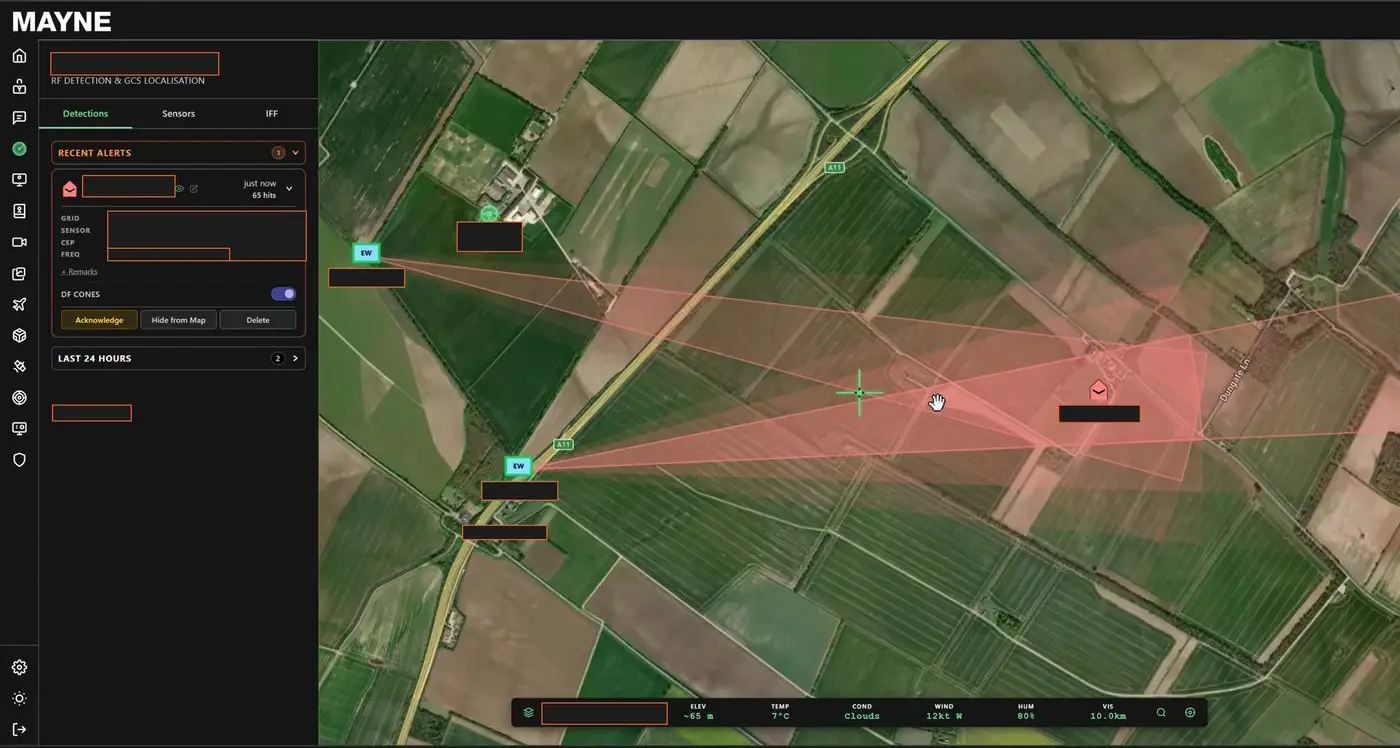
Our two principal technology products, LEWES and MAYNE, provide complementary capabilities that together establish a flexible and extensible data fabric. LEWES provides the connected autonomy infrastructure required to integrate and interact with distributed platforms and devices, while MAYNE provides the data orchestration, processing and analytics capabilities needed to transform the information collected by those systems into operational understanding.
These technologies originated from our work developing connected autonomy solutions for uncrewed systems, including operations beyond visual line of sight. Such operations require reliable communications between platforms and control infrastructure, the management of distributed systems, and the collection and exploitation of sensor data across heterogeneous environments.
Importantly, these requirements are not exclusive to operating drones. The underlying architectural problems are closely related to those encountered when detecting, tracking and countering them. In both cases, distributed sensors and platforms must be connected, their information must be processed and interpreted, and the resulting understanding must be made available to the appropriate users and systems.
By designing LEWES and MAYNE around reusable product capabilities, open interfaces and modular integration, we can adapt our technology to different operational requirements without repeatedly developing bespoke systems from first principles.
For counter-UAS, this enables an approach in which sensors and effectors are selected according to operational requirements, rather than being prescribed by the limitations of a proprietary end-to-end solution. Subject to the availability of suitable interfaces and integration, a deployment might combine inexpensive software-defined radio receivers, electro-optical cameras, acoustic sensors and sophisticated military radar systems within the same architecture.
The objective is not simply to connect those devices. It is to enable the information they generate to contribute to a coherent operational picture, and to provide the connectivity required to support appropriate responses.
